
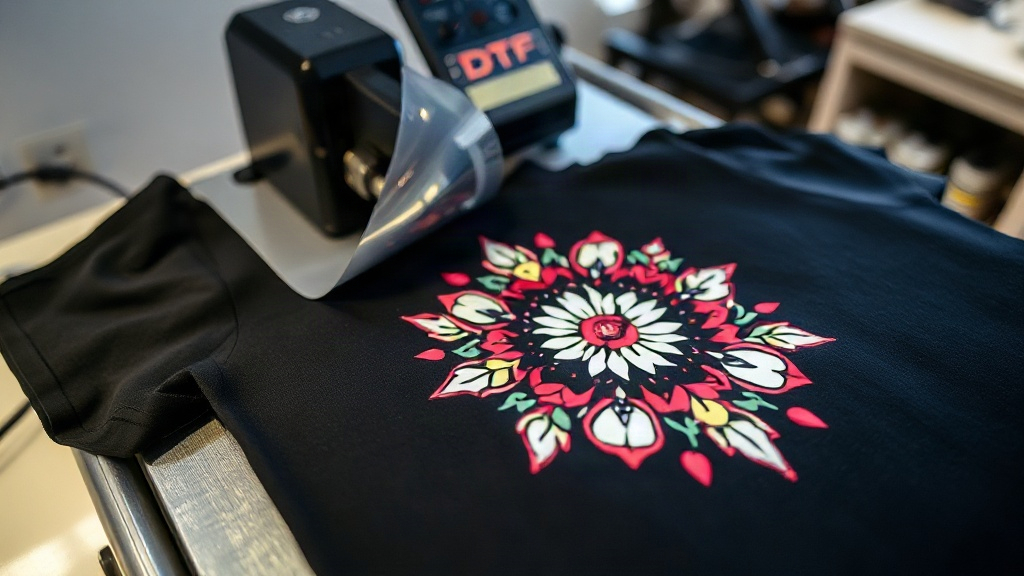
Imagine pressing a button and watching a full-color design bond seamlessly to a cotton t-shirt, no color limitations, no complicated weeding. That is the magic of DTF transfers. Whether you are a small business owner looking to offer custom apparel or a DIY enthusiast wanting to elevate your craft, understanding DTF technology can open up a world of creative possibilities. In this guide, we will walk you through everything you need to know about DTF transfers, from the basics to advanced tips, so you can produce stunning, long-lasting garments with confidence.
What Are DTF Transfers?
DTF stands for Direct to Film. It is a printing method where your design is printed onto a special film, coated with a powder adhesive, and then heat-pressed onto fabric. Unlike DTG (Direct to Garment) or screen printing, DTF transfers work on a wide range of materials, including cotton, polyester, blends, and even leather. The process involves a specialized printer, DTF ink, and a heat press. The result is a soft, stretchable print that can handle intricate details and gradients with ease.
How DTF Transfers Work: Step by Step
Understanding the workflow helps you achieve consistent results. Here is the typical DTF transfer process:
- Design Preparation: Create or obtain your artwork. Ensure it is mirrored (flipped horizontally) before printing.
- Printing: The design is printed onto a PET film using DTF inks (usually CMYK plus white).
- Powdering: While the ink is still wet, a hot-melt adhesive powder is applied evenly over the print.
- Curing: The film passes through a curing oven or under a heat source to melt the powder, creating a dry, tack-free surface.
- Transfer: The film is placed on the garment and heat-pressed. After cooling, the film is peeled away, leaving the design bonded to the fabric.
Why Choose DTF Transfers?
DTF transfers offer several advantages over traditional printing methods. Here are the key benefits:
- Vibrant Colors: DTF inks produce bright, opaque colors, even on dark garments, without the need for a white underbase.
- Fabric Versatility: Works on cotton, polyester, blends, and more, making it ideal for diverse product lines.
- Durability: When applied correctly, DTF prints withstand repeated washing without cracking or fading.
- No Weeding: Unlike vinyl, there is no tedious weeding process, saving time and labor.
- Cost-Effective for Short Runs: No setup fees or minimums, perfect for small batches and personalized items.
DTF vs. Other Printing Methods
How does DTF stack up against DTG, screen printing, and heat transfer vinyl (HTV)?
DTF vs. DTG
DTG prints directly onto the garment and works best on 100% cotton. DTF can be used on more fabrics and often produces more vibrant colors on dark shirts. DTF also allows for printing on hard-to-print areas like zippers and pockets because the transfer is applied after printing.
DTF vs. Screen Printing
Screen printing is cost-effective for large orders but requires setup and is limited in color complexity. DTF excels for detailed, multi-color designs and short runs, with no color separation needed.
DTF vs. HTV
HTV requires weeding and layering for multi-color designs. DTF prints the entire design in one go, including fine details and gradients, and adheres well to various fabrics.
Choosing the Right DTF Supplies
To get started with DTF, you will need:
- DTF Printer: Specialized printers with white ink circulation and RIP software.
- DTF Ink: High-quality pigment inks designed for DTF.
- PET Film: Double-sided matte or glossy film.
- Adhesive Powder: Hot-melt powder for bonding.
- Heat Press: For transferring the design onto garments.
Investing in quality supplies ensures reliable results and reduces frustration.
Step-by-Step Guide to Applying DTF Transfers
Applying a DTF transfer is straightforward, but following best practices ensures a professional finish.
1. Prepare Your Workspace
Set your heat press to the recommended temperature (usually 300-325°F or 150-160°C) and preheat the garment for a few seconds to remove moisture.
2. Position the Transfer
Place the DTF transfer onto the garment with the printed side facing up. If your design is mirrored, it should now read correctly.
3. Press
Apply medium pressure for 10-15 seconds. Use a Teflon sheet or parchment paper to protect the film.
4. Peel
Wait for the transfer to cool completely (cold peel) or peel while warm (hot peel), depending on the film type. Most DTF films are cold peel.
5. Post-Press
For added durability, cover the design with parchment and press again for 5-10 seconds.
Common Mistakes to Avoid
- Insufficient Pressure: Leads to poor adhesion and early peeling.
- Wrong Temperature: Too hot can scorch the film; too cool can prevent proper bonding.
- Not Pre-Pressing: Moisture in the fabric can cause the transfer to fail.
- Peeling Too Early or Too Late: Follow the film instructions for hot vs. cold peel.
- Stretching the Design: Allow the transfer to cool before stretching the garment.
DTF Transfers for Business: Profit Potential
For entrepreneurs, DTF transfers offer a low-barrier entry into custom apparel. With minimal equipment, you can produce one-off items or small batches without inventory risk. The ability to print on demand means you can offer personalized products, from bachelorette party shirts to corporate logos, with quick turnaround. Pricing strategies often yield high margins, especially for niche designs. Many successful sellers start with a single DTF printer and expand as demand grows.
DTF Transfers for Personal Use: Creative Ideas
Beyond business, DTF transfers are perfect for personal projects. Create matching family reunion shirts, customize denim jackets, or add logos to sports team uniforms. The only limit is your imagination. Because DTF works on so many materials, you can decorate tote bags, pillowcases, and even canvas shoes.
Frequently Asked Questions About DTF Transfers
How long do DTF transfers last?
With proper application and care, DTF transfers can last as long as the garment itself. Wash inside out in cold water and avoid harsh detergents to maximize longevity.
Can I use DTF transfers on polyester?
Yes, DTF transfers adhere well to polyester and polyester blends. However, lower temperatures may be needed to prevent dye migration, so always test with a sample first.
Do I need a special printer for DTF?
Yes, DTF requires a printer designed for DTF ink, typically with a white ink channel and circulation system. Converting a standard printer is not recommended.
What is the best heat press for DTF transfers?
A heat press with accurate temperature and pressure control, such as a clamshell or swing-away press, works best. Consistent pressure is key for even adhesion.
Can I layer DTF transfers?
Yes, you can layer DTF transfers, but it is best to press each layer separately and ensure the first layer is cooled before adding the next. This prevents smudging and ensures proper bonding.
Final Thoughts
DTF transfers have democratized custom apparel printing, offering unparalleled versatility and quality. Whether you are a hobbyist or a business owner, mastering DTF can set you apart. Remember to invest in quality supplies, follow application guidelines, and experiment with different fabrics. With practice, you will be creating stunning, durable designs that impress customers and friends alike. For more tips and supplies, visit dtfdazzle.com.