
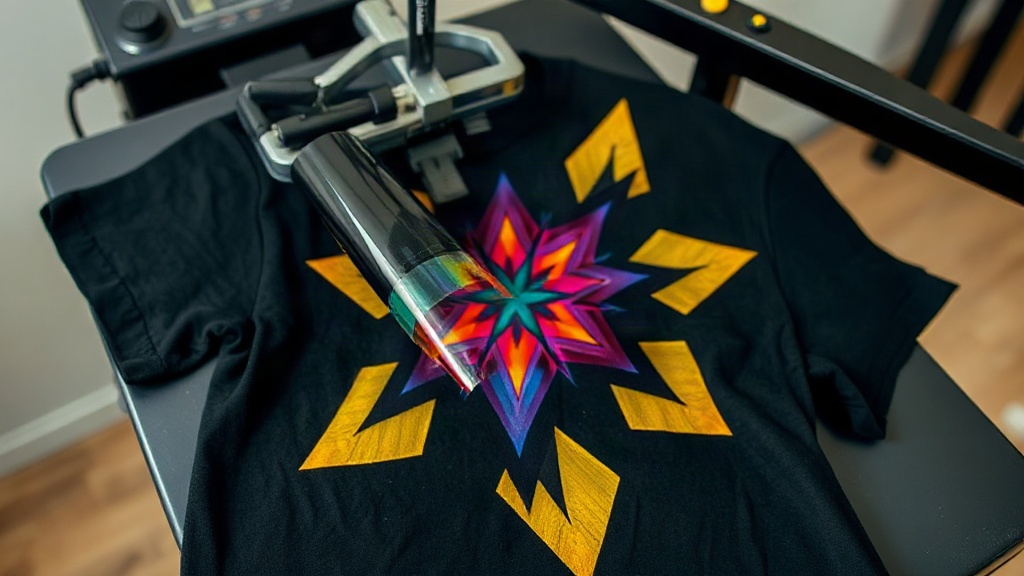
When it comes to custom apparel, DTF Transfers have become a game-changer for both hobbyists and professionals. Unlike traditional methods that require multiple steps and specific fabrics, DTF transfers offer a versatile and durable solution for printing vibrant designs on a wide range of materials. In this guide, we'll dive deep into what DTF transfers are, how they work, and how you can use them to create stunning, long-lasting garments.
What Are DTF Transfers?
DTF stands for Direct to Film. It's a printing technology where your design is printed onto a special film, coated with a powder adhesive, and then heat-pressed onto the fabric. The result is a soft, stretchable, and highly detailed print that can adhere to cotton, polyester, blends, and even some treated nylons. Unlike DTG (Direct to Garment) or screen printing, DTF doesn't require pre-treatment or special inks for different colors, making it a cost-effective and flexible option for small businesses and DIY enthusiasts.
The process involves several key steps: designing, printing, powdering, curing, and pressing. Each step affects the final quality, so understanding them is crucial for success.
How DTF Transfers Are Made
Creating a DTF transfer starts with a digital design. The design is printed onto a PET film using specialized DTF inks. These inks are vibrant and opaque, allowing for bright colors even on dark garments. After printing, a hot-melt adhesive powder is applied to the wet ink. The excess powder is shaken off, and the film is then cured in an oven or with a heat gun. This melts the powder into the ink, creating a adhesive layer that will bond with the fabric during heat pressing.
The quality of the film, ink, and powder all play a role in the transfer's durability and feel. Cheaper materials can lead to cracking, fading, or poor adhesion. Therefore, sourcing from reputable suppliers like DTF Dazzle ensures you get consistent results.
Types of DTF Films
There are two main types of DTF films: hot peel and cold peel. Hot peel films allow you to remove the carrier film immediately after pressing while the transfer is still hot. Cold peel films require the transfer to cool completely before peeling. Each has its advantages: hot peel is faster, while cold peel often yields a smoother finish. The choice depends on your workflow and the desired effect.
Why Choose DTF Transfers Over Other Methods?
DTF transfers offer several advantages that make them stand out:
- Versatility: Works on almost any fabric, including cotton, polyester, blends, and even leather.
- No color limitations: Can print full-color designs with gradients and fine details without extra cost.
- Durability: When applied correctly, DTF prints can withstand dozens of washes without cracking or fading.
- Soft feel: The prints are thin and stretch with the fabric, making them comfortable to wear.
- Cost-effective for small batches: No setup fees or minimum orders, ideal for custom orders.
However, DTF isn't always the best choice for every situation. For example, if you need a very soft hand feel on lightweight fabrics, DTG might be better. But for vibrant, durable prints on dark or synthetic fabrics, DTF is often superior.
Step-by-Step Guide to Applying DTF Transfers
Applying a DTF transfer is straightforward, but attention to detail ensures a professional result. Here's how to do it:
- Prepare your workspace: You'll need a heat press, the garment, and the DTF transfer. Ensure the heat press is set to the correct temperature (usually 300-325°F or 150-160°C).
- Pre-press the garment: This removes moisture and wrinkles, creating a smooth surface for the transfer.
- Position the transfer: Place the transfer on the garment with the printed side down. Use heat tape if needed to keep it in place.
- Press: Apply medium pressure for 10-15 seconds. The exact time depends on the film type and press.
- Peel: For hot peel, remove the film immediately. For cold peel, wait until it cools completely.
- Post-press (optional): Some recommend a second press with a cover sheet for 5-10 seconds to enhance durability.
Always follow the specific instructions provided by your transfer supplier, as formulations can vary.
Common Mistakes to Avoid
Even with a good understanding, beginners often make mistakes that compromise the transfer. Here are a few to watch out for:
- Insufficient pressure: Leads to poor adhesion and early peeling.
- Wrong temperature: Too low and the adhesive won't activate; too high and the film may scorch.
- Peeling too soon or too late: Follow the recommended peel type.
- Not pre-pressing: Moisture can cause bubbles and weak bonds.
- Using the wrong film side: Always place the printed side down.
By avoiding these pitfalls, you'll achieve consistent, high-quality results.
Durability and Care for DTF Prints
One of the biggest concerns with any printed apparel is how long the design will last. DTF transfers are known for their durability, often outlasting other methods like vinyl or even screen printing. However, proper care can extend the life of the print:
- Wait at least 24 hours before washing.
- Turn the garment inside out before washing.
- Use cold water and mild detergent.
- Avoid bleach and fabric softeners.
- Tumble dry on low or hang dry.
- Do not iron directly on the print.
With proper care, DTF prints can last for years without significant fading or cracking. This makes them ideal for workwear, sports jerseys, and promotional items that see frequent use.
Testing Durability
If you're new to DTF, it's wise to test a sample before committing to a large order. Wash the sample several times and check for adhesion, cracking, and color retention. This will give you confidence in your process and materials.
Choosing the Right DTF Supplies
The market for DTF supplies has grown rapidly, and quality can vary widely. When selecting films, inks, and powders, consider the following:
- Film: Look for films that are compatible with your printer and offer good ink absorption. Thicker films can be more forgiving but may feel stiffer.
- Ink: High-quality DTF inks produce vibrant colors and resist fading. Cheap inks may clog printheads and yield dull results.
- Powder: The adhesive powder should be fine and consistent. Coarse powder can lead to rough textures.
Reputable suppliers like DTF Dazzle provide tested products that ensure reliable performance. Investing in quality supplies saves time and reduces waste in the long run.
DTF Transfers for Business and Hobby
Whether you're running a custom apparel business or creating personalized gifts, DTF transfers offer a low barrier to entry. You can start with a basic printer and heat press, and scale up as demand grows. The ability to produce one-off designs without minimums makes it perfect for on-demand printing.
Many small businesses use DTF to offer custom t-shirts, hoodies, tote bags, and more. The vibrant colors and durability give them a competitive edge. Plus, the process is relatively clean and doesn't require the chemicals of screen printing.
Design Tips for DTF Transfers
To get the best results, keep these design considerations in mind:
- Resolution: Use high-resolution images (300 DPI) for crisp details.
- Color mode: Design in CMYK for accurate color reproduction.
- Background: Remove backgrounds for a clean print; DTF supports transparent backgrounds.
- Size: Ensure the design fits the intended placement; oversized prints may require special films.
- Text: Use bold fonts for small text to maintain legibility.
Experiment with different designs and fabrics to understand how they translate. DTF is forgiving, but some trial and error is normal.
Frequently Asked Questions
How long do DTF transfers last?
With proper application and care, DTF transfers can last 50+ washes or more. The print may outlast the garment itself. Factors like wash temperature, detergent, and drying method affect longevity.
Can I apply DTF transfers to any fabric?
DTF works on most fabrics, including cotton, polyester, blends, and leather. However, fabrics with heavy coatings or water repellents may require special handling. Always test on a swatch first.
Do I need a special printer for DTF?
You can convert a standard inkjet printer to use DTF inks, but dedicated DTF printers are available for better efficiency. The key is using DTF-compatible inks and films.
What's the difference between hot peel and cold peel DTF films?
Hot peel films are removed immediately after pressing while hot, saving time. Cold peel films require cooling before peeling, often resulting in a smoother finish. Both are durable when applied correctly.
How do I store unused DTF transfers?
Store them in a cool, dry place away from direct sunlight. Keep them flat to prevent curling. Properly stored transfers can last for months.
DTF transfers have revolutionized custom apparel by combining versatility, durability, and ease of use. Whether you're a hobbyist or a business owner, mastering DTF can open up a world of creative possibilities. With the right supplies and techniques, you'll be producing professional-quality garments in no time.